

Professional call answering services for UK based businesses big or small.

The key challenges facing allied health professionals in private practice in 2025

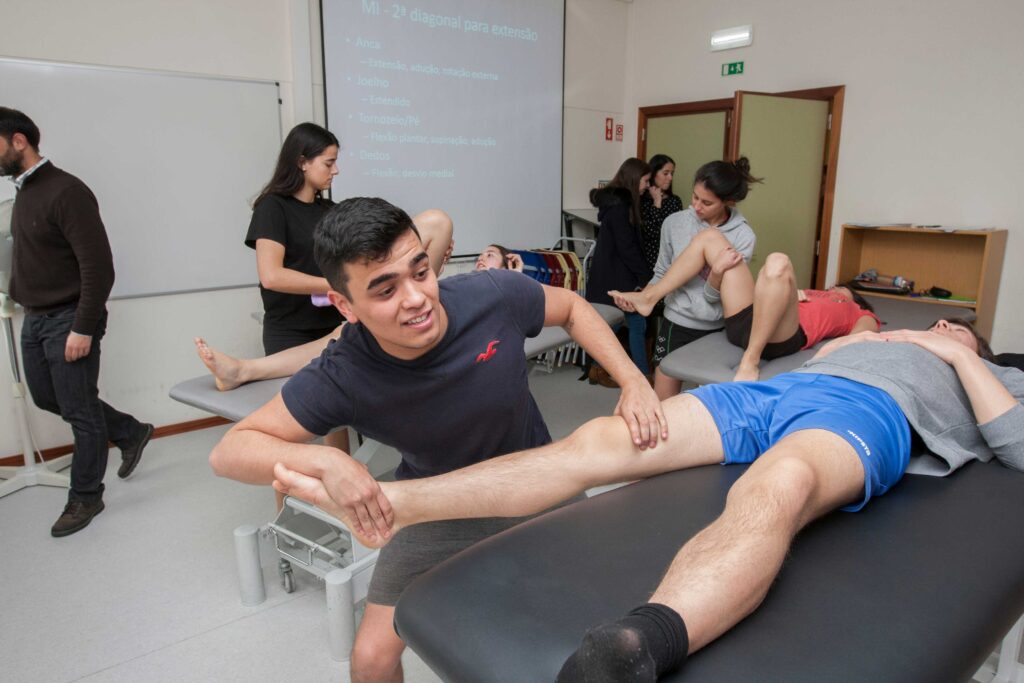
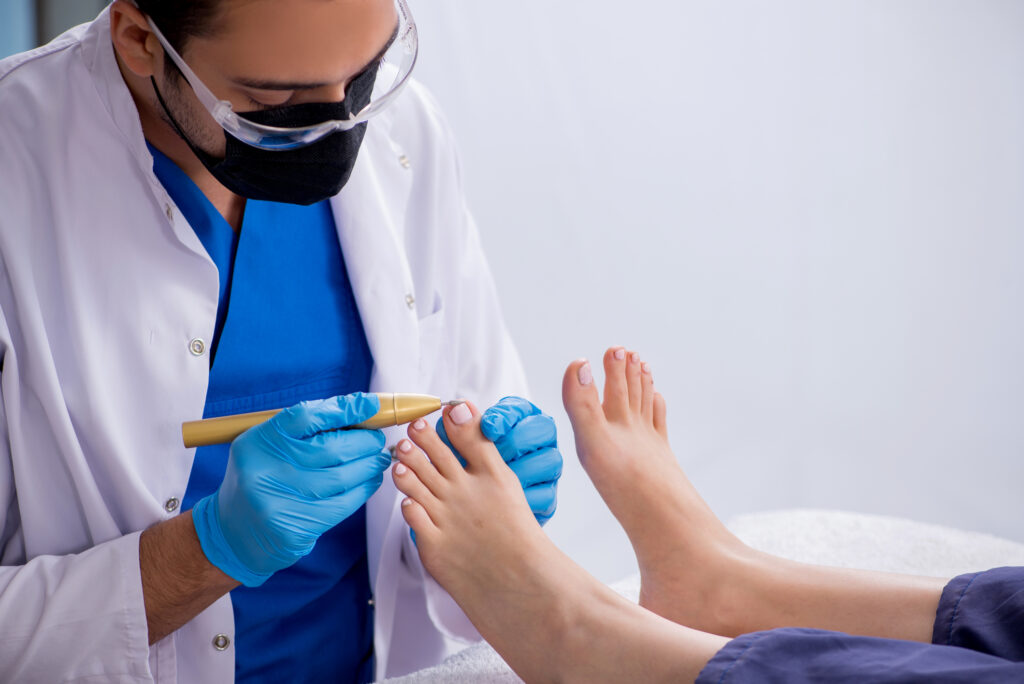
The term ‘allied health professionals (AHP)’ encompasses a wide range of specialised healthcare roles, including physiotherapy, osteopathy, podiatry, dietetics, and speech and language therapy, to name just a few.

Given the lengthening delays in being able to receive AHP support on the NHS, there has been a growing number of patients opting to seek professional help through allied health professionals in private practice. As one report put it, the market outlook for AHPs is ‘cautiously optimistic’ with ‘strong demand fundamentals’.

Scratch below the surface, however, and AHPs in private practice are facing a number of challenges which are sometimes making it difficult to take profitable advantage of these ‘strong demand fundamentals’.

Challenges

Simply not enough AHPs coming through the system

The principal challenge is that there are simply not enough AHPs coming through the education systems. According to the NHS long-term workforce plan, an additional 27,000 AHPs will be needed by 2037. The problem is particularly acute in physiotherapy with around 15% of NHS physios leaving annually. Whilst some of the NHS physios will find places in the private sector, some will migrate into other sectors. This revolving door means the pool of experienced physiotherapists is facing particularly high workloads.

Volatile patient volumes

The ’strong demand fundamentals’ are not evenly distributed across the UK and there are areas where private AHP practices, particularly newer and smaller practices, are having to manage volatile patient volumes. This volatility means achieving a stable and predictable income can be difficult and lead to cash flow problems.

The admin burden of insurance referrals

Private health insurance is taking up some of the financial burden as patients switch from NHS treatment pathways into private AHP practices. Sadly, insurance referrals tend to present a heavy, sometimes ridiculously heavy, administrative burden on practices along with low fee schedules. Some practices have opted out of insurance referrals altogether because of this.

Opportunities

An ageing UK population

In addition to NHS leakage, there are several other factors that are driving an increase in demand for AHPs in private practice. Firstly, the UK population is ageing. In 2022 those aged over 65 and over accounted for 19% of the UK population. By 2072 this figure is projected to rise to 27%. Furthermore, according to the Office for National Statistics, the number of people aged 85 and over is expected to nearly double by 2047.

Around 30% of GP visits relate to musculoskeletal issues, with almost 9m people reporting that they live with joint pain. Taken together with the increasing age of the population, and a rise in people seeking private treatment for sports injuries, the demand fundamentals for physiotherapists and osteopaths are looking particularly positive.

Lifestyle and diabetes

Sadly, lifestyle changes and obesity are contributing to a rising incidence of early-onset type 2 diabetes. Furthermore, the overall prevalence of type 2 diabetes continues to increase due to the ageing population and other factors. This trend is leading to an increased demand for podiatry services and other diabetes-related interventions, such as dietetics.

Telehealth and digitalisation

Cost pressures can be alleviated to a certain extent through the digitalisation of services. Virtually all AHP practice management software packages – such as Cliniko, TM3, PPS, Jane and Nookal – support telehealth appointments and make it easier for collaboration across health disciplines. Digital apps are making it easier and quicker to put together, for example, exercise programmes for patients. Management software also provides the option to send digital reminders of face-to-face appointments to reduce ‘no shows’; the bane of all healthcare providers!

Summary

Despite the challenges outlined above, the outlook for AHP private practices is mainly positive. This is particularly true for practices that carve out a niche for themselves in specialist treatment areas. In the case of physios, for example, these could include pelvic health physio, neurological rehabilitation and sports performance optimisation.

Technology and digitalisation can help cut costs and provide patient choice in certain areas, but, at their best, AHP treatment is still at its best when delivered face-to-face in the privacy of the treatment room.

Paperclip

Paperclip has provided call answering, reception desk, contact centre and admin support services to AHP private practices for almost twenty years. We ensure no patient calls are missed, reduce no shows through reminder calls, and manage appointments for practices across the UK.

If you believe your practice would benefit from the types of services we provide, but you have questions around issues such as patient confidentiality, simply call the Paperclip team on 01246 418 181.

Our AHP clients enjoy working with us, and we believe you would too.

Louise Bellwood Profile Photo

Hi, I’m Louise Bellwood, Director at Paperclip. I am responsible for delivering Paperclip’s customer service and growth strategies for 2024 and beyond,  I am a crusader for the benefits call answering can deliver for organisations of all kinds; customer service, sales generation, customer retention and more. If you have a question about call answering – pricing, set-up, benefits – I would love to hear from you at louise@paperclip.co.uk or 01246 418 181.

Book

T 01246 418 181

Webchat: Click on here to chat to a member of our team.

E info@paperclip.co.uk

Or alternatively please use the form below to send us a message and we will get back to you as soon as possible.